New Delhi, Aug 12: India’s transition towards electric mobility has gained significant momentum, with the government stating that the FAME-II scheme supported the sale of 16.72 lakh electric vehicles during its implementation.
The Faster Adoption and Manufacturing of Electric Vehicles (FAME-II) scheme was introduced to encourage consumers to adopt electric vehicles while helping build the infrastructure needed to support their wider use. The scheme was implemented from April 2019 to March 2024 with a budgetary outlay of ₹11,500 crore.
The support covered electric two-wheelers, three-wheelers and four-wheelers, making it easier for consumers and businesses to consider cleaner alternatives to conventional vehicles.
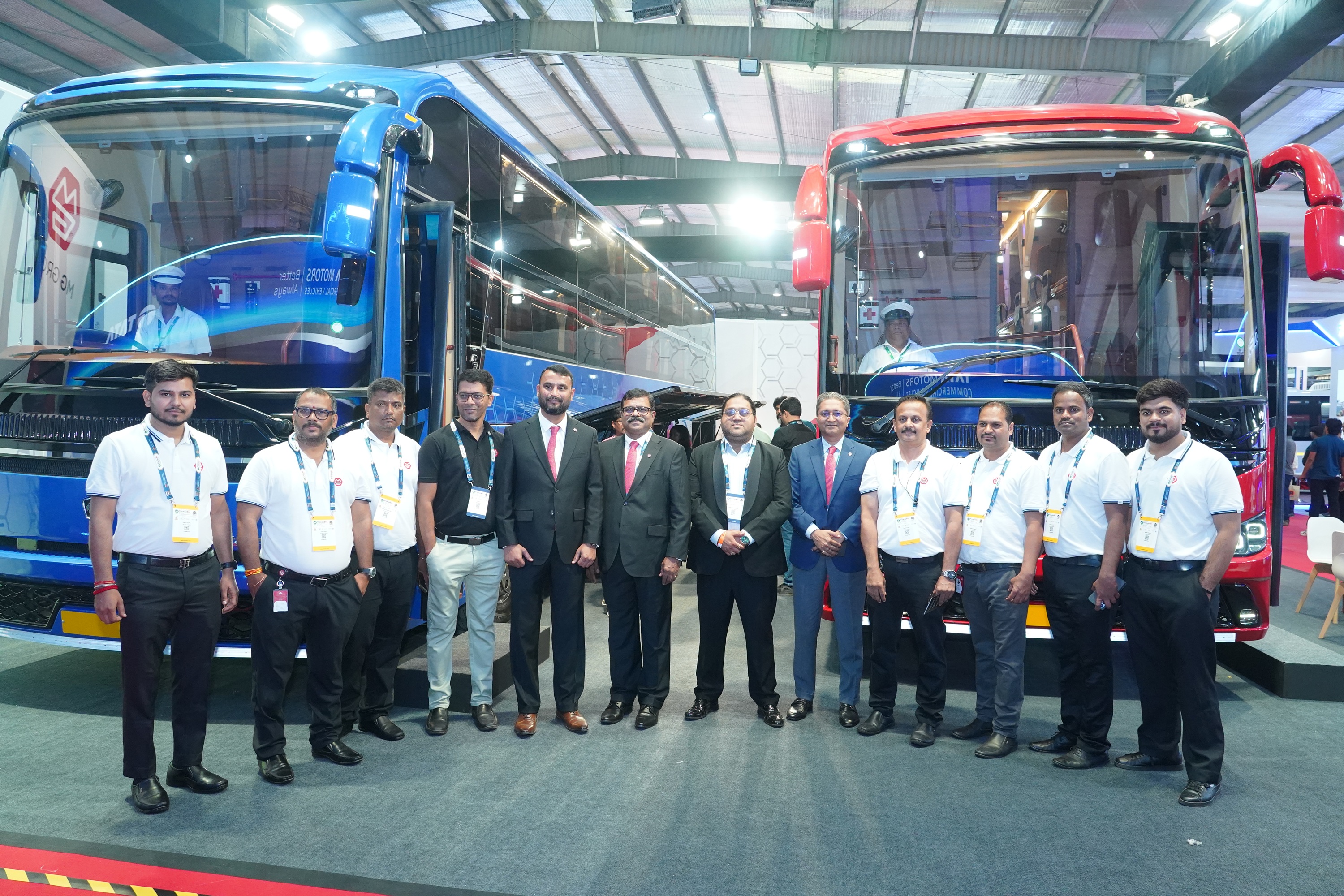
The scheme also focused on strengthening the country’s charging network and public transport. As part of the programme, 5,299 electric buses were deployed and 9,583 public charging stations were facilitated across the country.
For many consumers, the availability of charging infrastructure remains an important factor when deciding whether to switch to an electric vehicle. Expanding the network of charging stations can help address concerns about convenience and range while encouraging wider adoption.
The government has continued its electric mobility push through initiatives introduced after FAME-II, including the PM E-DRIVE scheme. The focus has increasingly shifted towards supporting different categories of electric vehicles, strengthening charging infrastructure and encouraging domestic manufacturing.
Efforts are also underway to develop a stronger local ecosystem for electric vehicles and their key components, including batteries. A robust domestic supply chain could help support the industry, create employment opportunities and reduce dependence on imported components.
The growing presence of electric scooters, three-wheelers, buses and passenger vehicles on Indian roads shows how quickly the mobility landscape is changing.
The experience gained through FAME-II has provided an important foundation for the next phase of India’s EV journey, with policy support now focused on making electric mobility more accessible, strengthening infrastructure and encouraging a sustainable domestic manufacturing ecosystem.