
New Delhi, Aug 29: The Centre has started the groundwork for the Union Budget 2027-28, asking ministries and government departments to prepare practical estimates of their expected expenditure and revenue for the coming financial year.
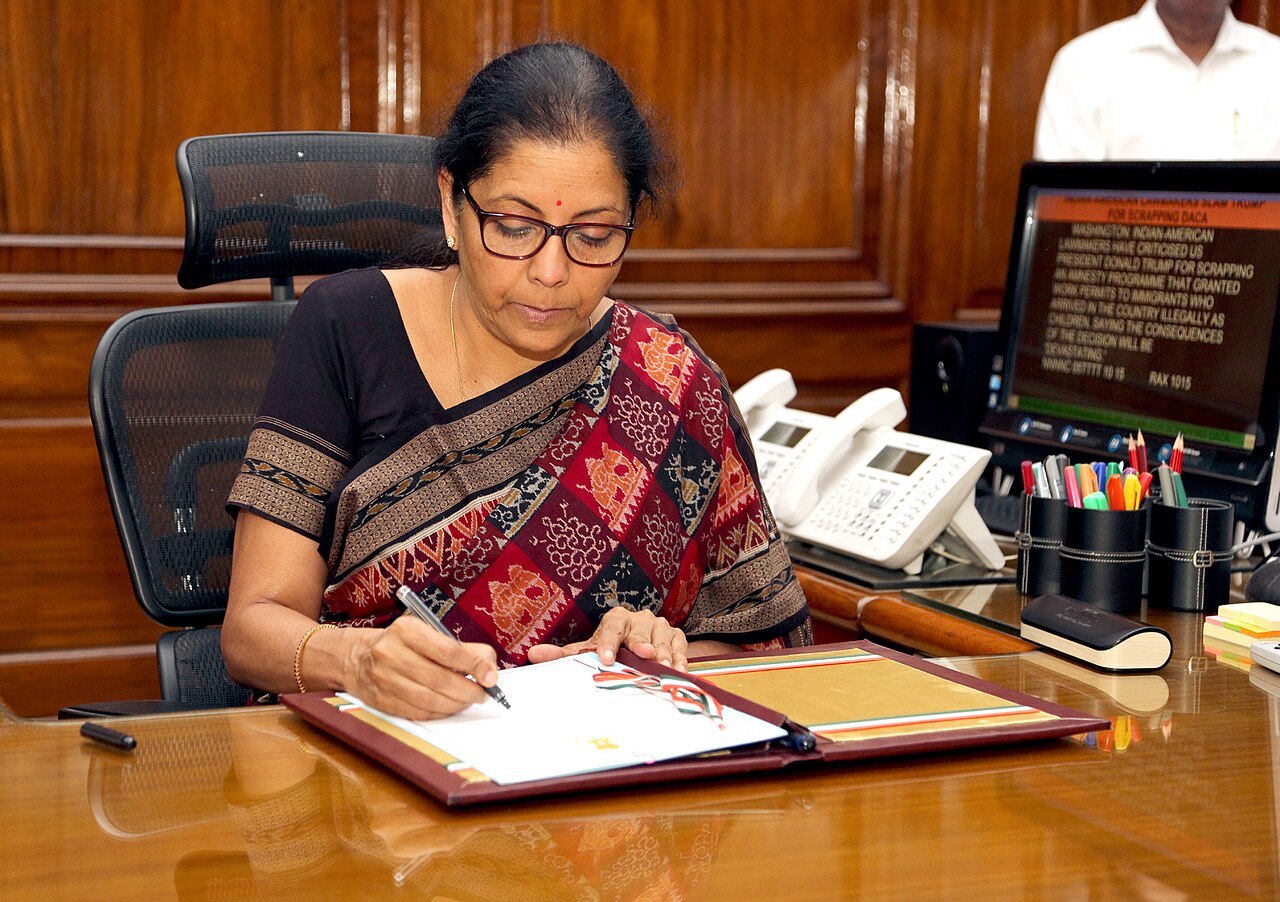
The exercise comes well ahead of the Budget and is aimed at giving the government a clearer picture of its financial requirements, while ensuring that public money is directed towards priority areas and used efficiently.
The Finance Ministry has placed particular emphasis on controlling expenditure, reviewing existing government schemes and improving non-tax revenues. Ministries and departments have been asked to assess their requirements carefully and avoid unrealistic projections.
The formal pre-Budget meetings are scheduled to begin on October 12, 2026, and continue until mid-November. The discussions will be chaired by the Secretary (Expenditure) and will form an important part of the process of finalising the government's spending priorities.
The review of government schemes is expected to receive attention during the exercise. Programmes that are underperforming, overlapping with other initiatives or not making effective use of allocated funds could come under closer scrutiny.
The government is also looking to strengthen revenue from sources other than taxes. Better returns from public-sector assets, government services, fees, dividends and other non-tax sources could provide additional financial space without putting extra pressure on taxpayers.
For businesses, the Budget preparation process will be important because government spending has a direct and indirect influence on economic activity. Decisions on infrastructure, manufacturing, transport, energy and other sectors can affect investment plans, demand and employment.
A greater focus on efficient public spending could also encourage government departments to prioritise projects that deliver measurable economic and social benefits. This could help improve the effectiveness of government investment while maintaining fiscal discipline.
For ordinary citizens, Budget decisions can have an impact on public services, infrastructure development, welfare programmes and employment opportunities. A more carefully planned allocation of resources could help ensure that government spending reaches areas where it can make the greatest difference.
The focus on realistic estimates also indicates an effort to make Budget planning more closely aligned with actual requirements. Avoiding excessive allocations that remain unused can help improve financial management and allow resources to be redirected towards areas with greater needs.
The upcoming pre-Budget consultations will bring together ministries and departments to discuss their priorities and financial requirements. These discussions will provide the government with inputs before it finalises the broader framework for the 2027-28 Budget.
With preparations now underway, attention will gradually shift towards the sectors and programmes that could receive greater priority in the next financial year.
The Budget exercise is ultimately about balancing multiple objectives—supporting economic growth, maintaining fiscal discipline, improving public spending and ensuring that available resources are used effectively.
As the consultation process moves forward, businesses, investors and citizens will be watching for signals on government investment, policy priorities and measures that could shape economic activity in 2027-28.